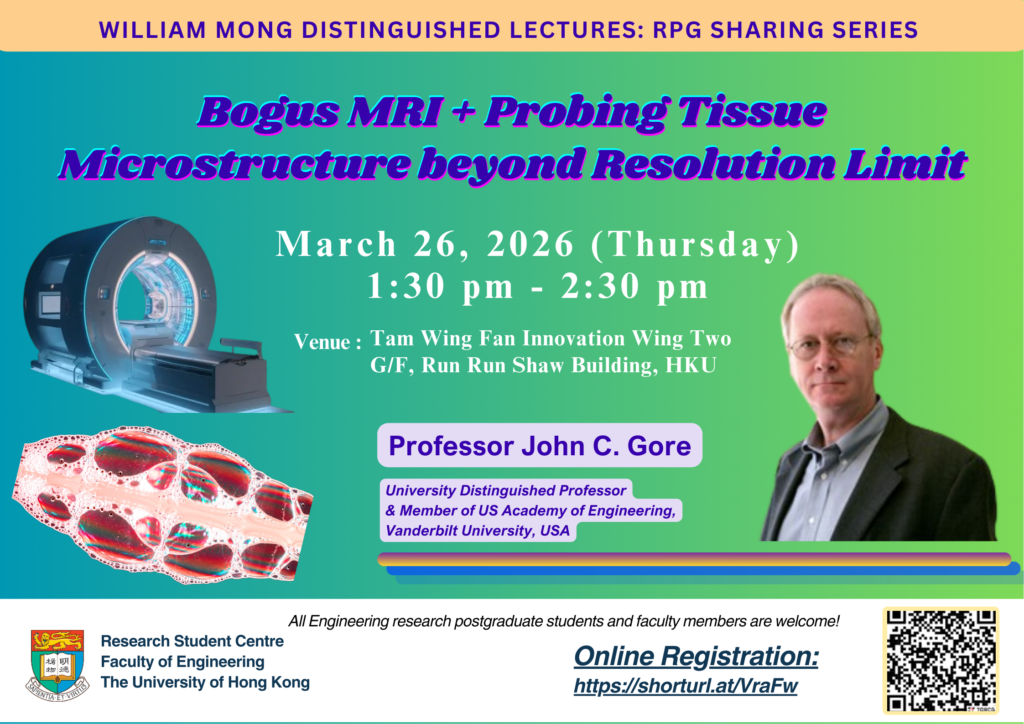
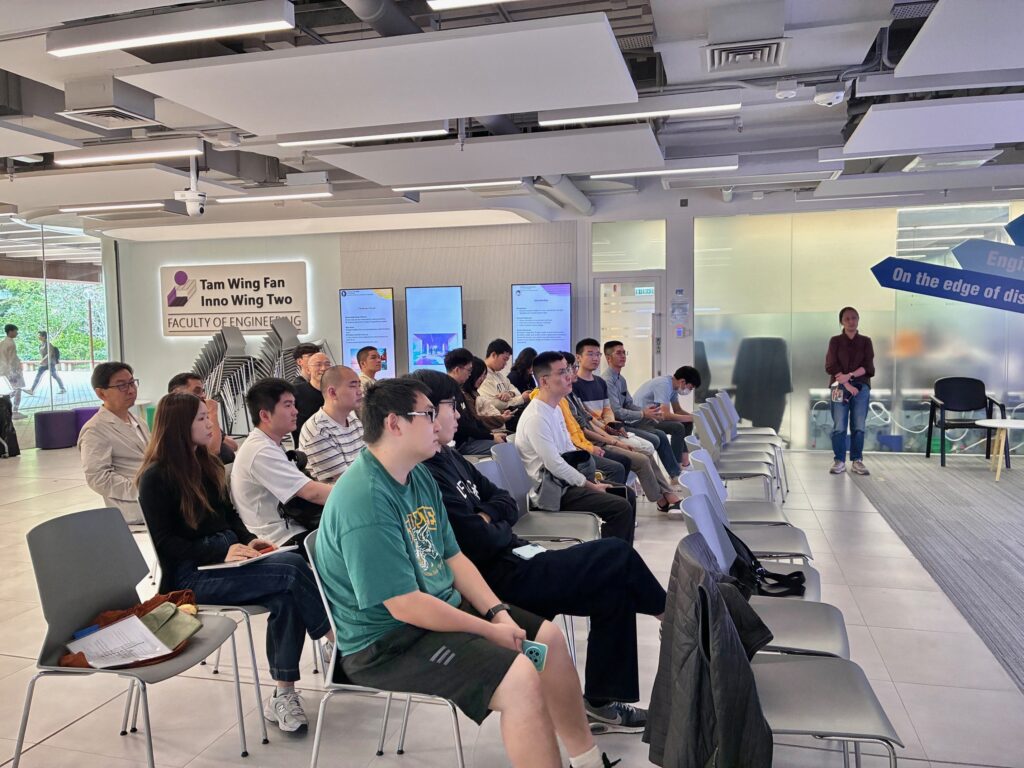
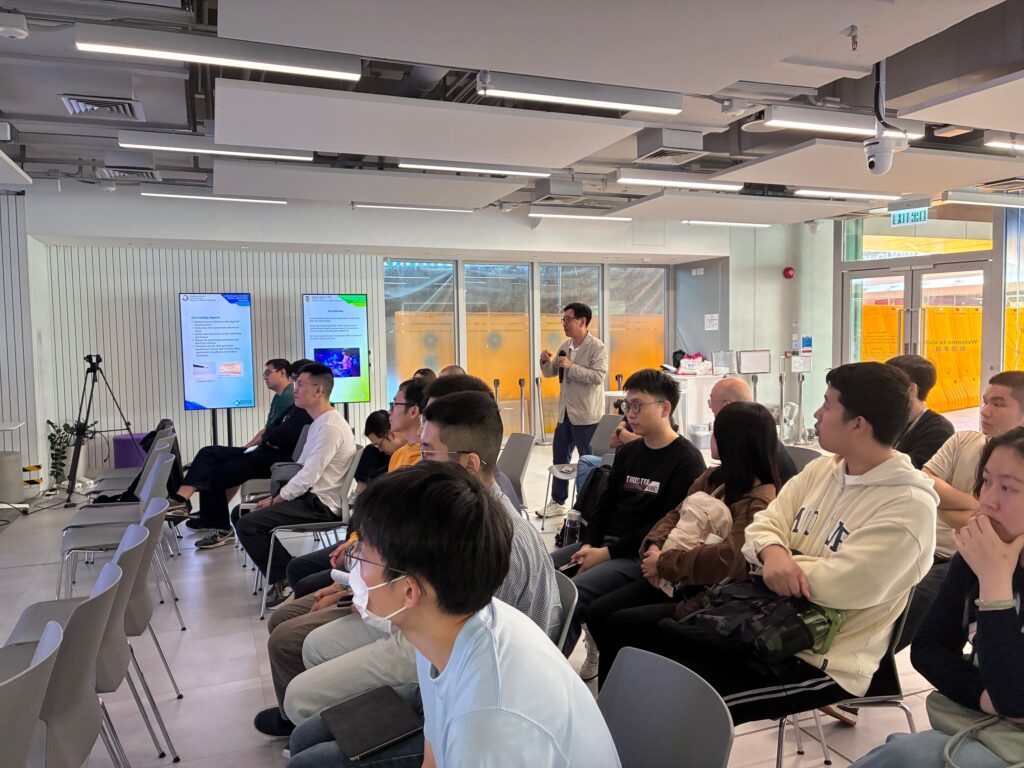
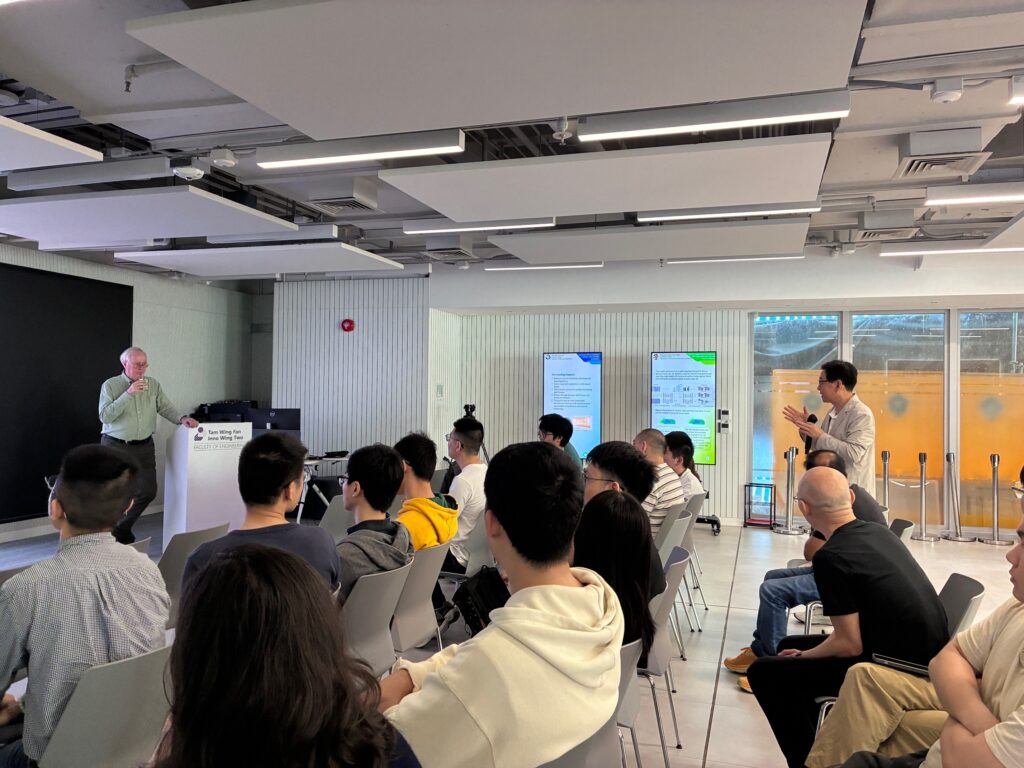
Professor John C. Gore University Distinguished Professor & Member of US Academy of Engineering, Vanderbilt University, USA
Description
WILLIAM MONG DISTINGUISHED LECTURES: RPG SHARING SERIES:
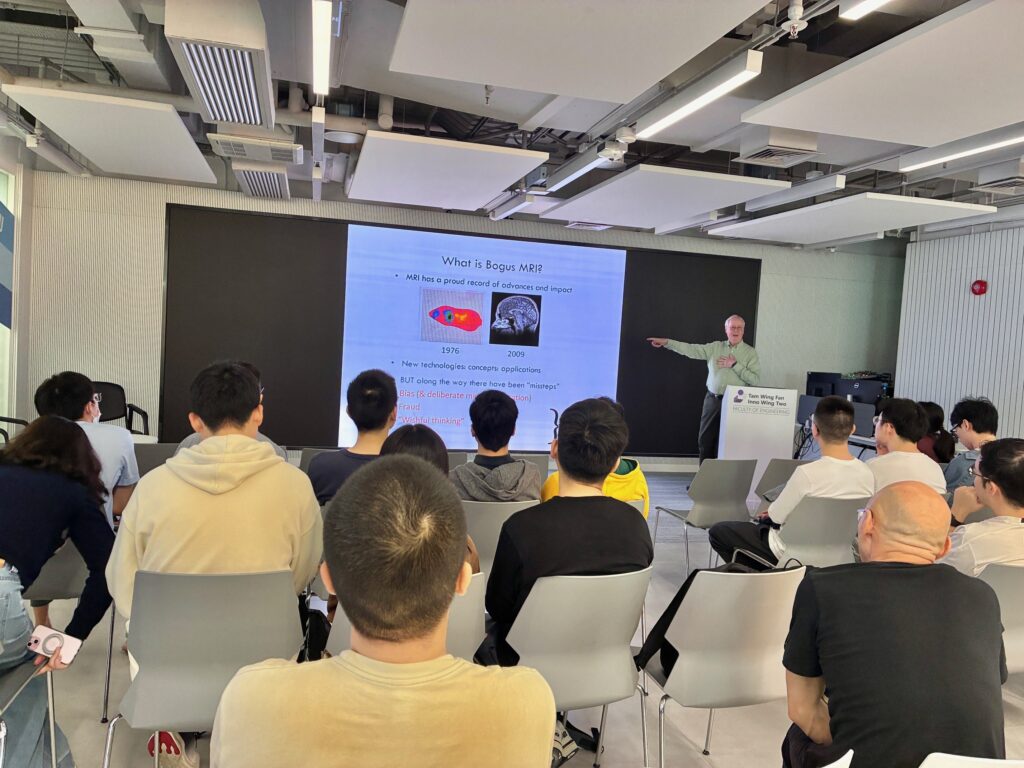
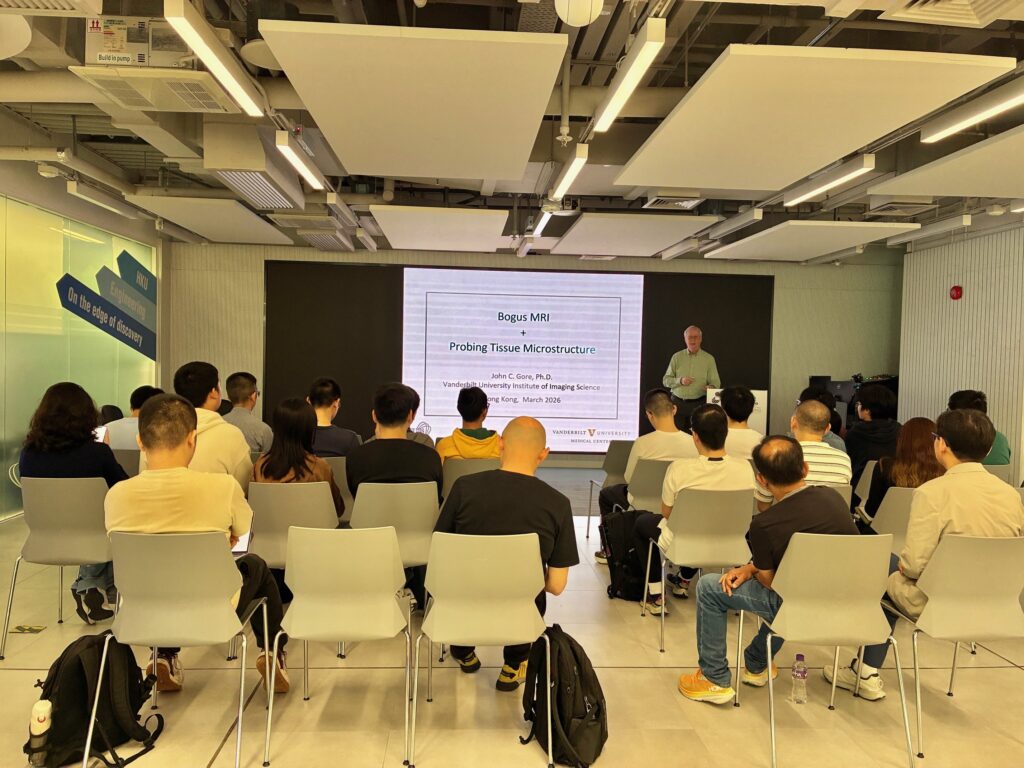
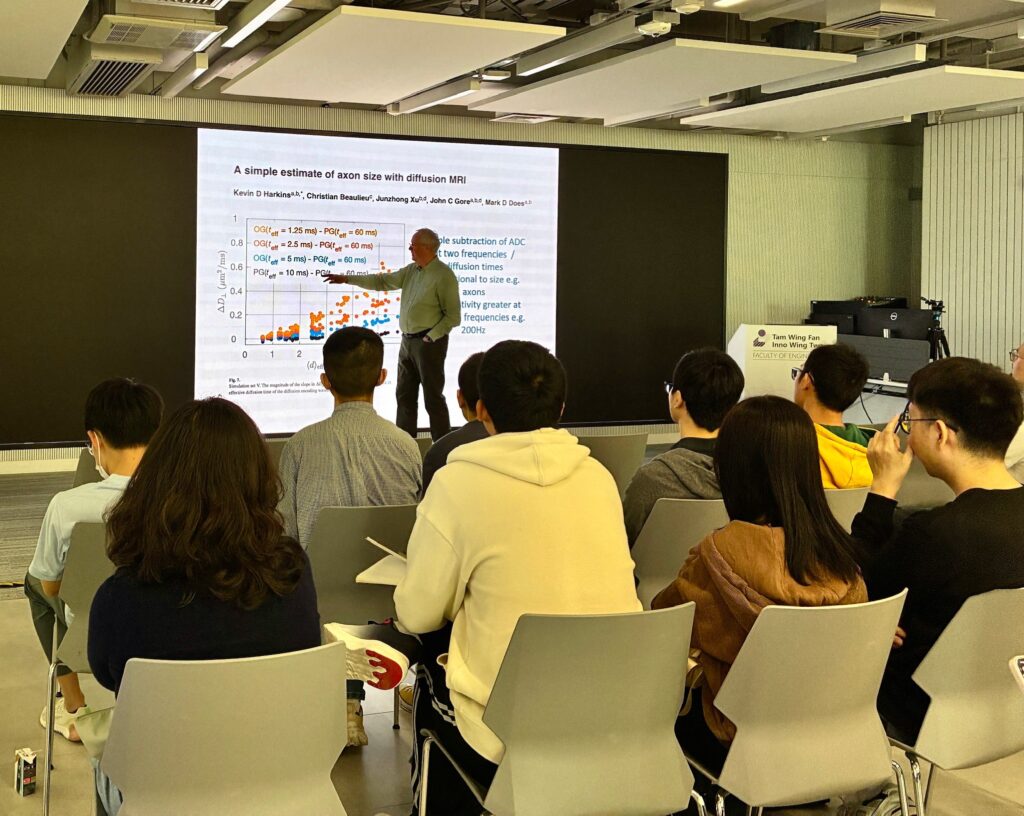
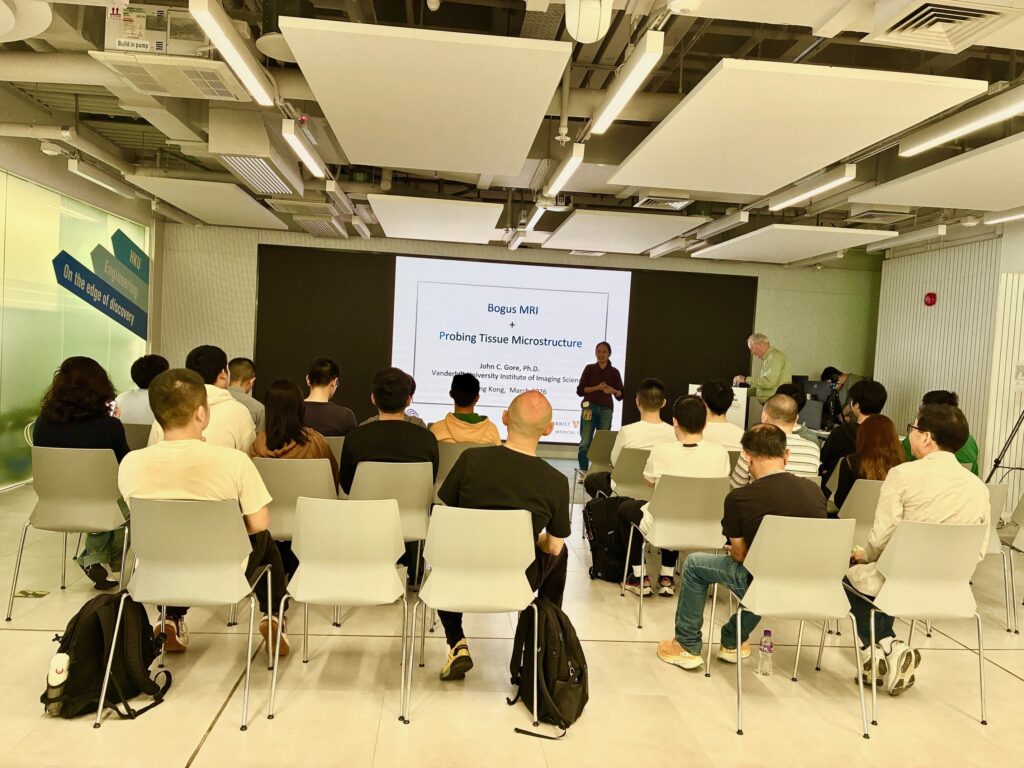
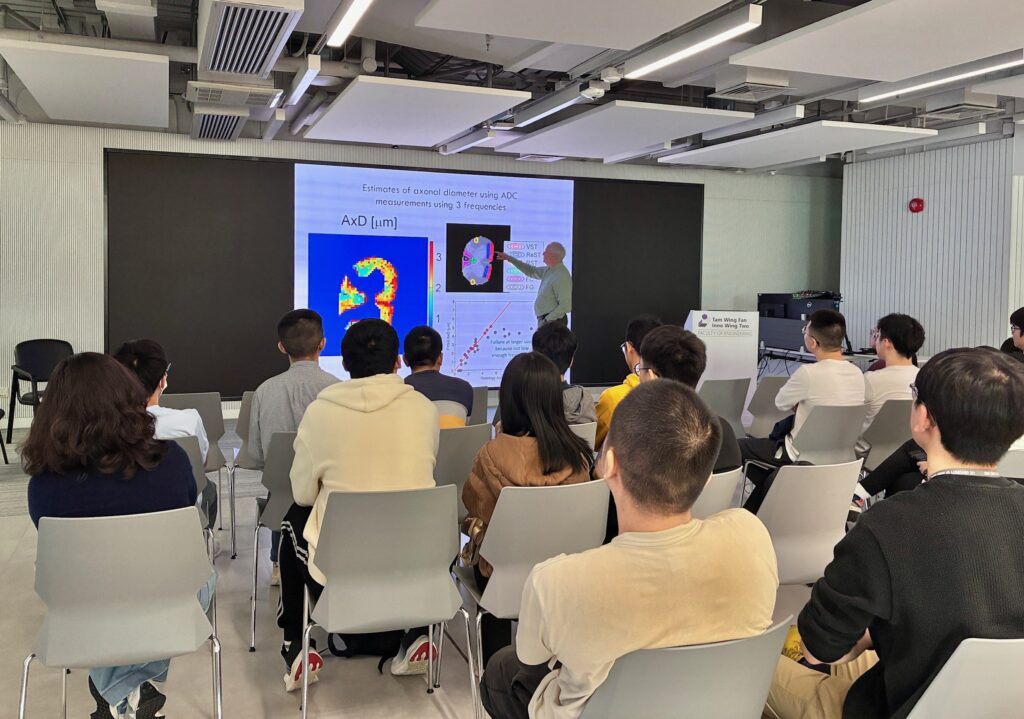
Although MRI has made impressive advances over the past 50 years, along the way we have witnessed several examples of “bogus” science – biased reports, outright fraud and human mistakes. These episodes serve as examples of behaviors to avoid, and they also highlight the hubris of journal impact factors. Selected anecdotes may serve to enlighten newcomers to the field. Of more scientific interest, biological tissues are intrinsically heterogeneous and have a characteristic microstructure, but MR images portray the values of tissue signals averaged over voxels whose dimensions are limited by spatial resolution. A number of approaches have been developed to probe tissue microstructure and heterogeneity beyond the resolution limit. For example, diffusion MRI techniques provide information on the compartmental microstructure within cellular and porous media. A variety of methods have been developed which may be used to quantify microstructural properties based on models of diffusion within tissues. Time dependent diffusion is one promising approach which makes use of diffusion encoding gradients with different temporal waveforms e.g. cosinusoidal, that probe diffusion over different scales. This allows the derivation of cell sizes and intrinsic diffusion rates within tissue compartments based on a relatively simple set of acquisitions and data analyses. This method is of particular interest as it can be translated to clinical applications using current MRI scanners.
About the Speaker
Professor John C. Gore is a highly distinguished scientist and academic leader, currently serving as University Distinguished Professor and holding the Hertha Ramsey Cress Chair in Medicine at Vanderbilt University. With multidisciplinary roles across Radiology, Biomedical Engineering, Physics, and Physiology, he directs the Vanderbilt Institute of Imaging Science and is a leading figure in biomedical imaging research. Educated in the UK and the US, Gore earned his Ph.D. in Physics from the University of London and has held faculty positions at Yale University, where he served as Director of MRI Research for twenty years. An accomplished author with over 600 peer-reviewed publications and an h-index of 150, he has made significant contributions to the development of magnetic resonance imaging technologies and their applications in life sciences. Prof. Gore’s pioneering work has garnered numerous awards, including the Gold Medal from ISMRM and election to the National Academy of Engineering. He is an elected member of UK Royal Society of Medicine, and Fellow of AAAS, NAI, IAMBE, APS and ISMRM. His leadership and innovative research continue to influence advancements in medical imaging and biomedical engineering worldwide.